
The Critical Role of Confidentiality in Business Sales
When selling a business, few elements are more important—or more misunderstood—than confidentiality. Every business owner wants to find the right buyer, secure a strong offer, and complete the sale smoothly. But none of those steps can happen without maintaining strict control over who knows the business is for sale and when that information is shared. A breach of confidentiality can derail a deal instantly and trigger long-lasting damage that is difficult, if not impossible, to reverse.
Whether you run a small local business or a large multi-location operation, confidentiality protects your value, your reputation, and your ability to negotiate. It is one of the foundational pillars of a successful transaction.
Why Confidentiality Is So Important
The moment employees, customers, vendors—or competitors—learn that a business is for sale, assumptions begin forming. In most cases, these assumptions lean negative. People may worry about layoffs, changes in service, instability, or financial issues. Even if none of those things are true, perception alone can influence behavior and create real problems.
Confidentiality protects the integrity of the business during the sale process by preventing:
-
Employee anxiety and turnover
-
Supplier concerns or contract renegotiations
-
Customer uncertainty or loss of trust
-
Competitor interference or aggressive poaching
-
Market rumors that damage your brand
A well-run business often operates smoothly because key people trust in its stability. Breaking that trust—even unintentionally—can shake that stability and reduce the business’s appeal to buyers.

The Risks of a Confidentiality Breach
Understanding the potential consequences underscores why confidentiality must be taken seriously from the very beginning.
1. Employee Instability
Employees are the backbone of any business. If they fear a sale means layoffs, new management, or major changes, they may begin looking for other opportunities. Losing even one critical team member can lower productivity, reduce service quality, and complicate the transition for a new owner.
In many cases, management-level employees—those whose experience is vital to daily operations—are the first to leave because they fear being replaced or losing control in the transition. These departures create gaps that are difficult to fill, especially during a sale.
2. Customer Concerns
Loyal customers often stay with a business because of consistent quality and trust. If they believe ownership is changing, they may look for more secure alternatives. A single rumor about a sale can affect their perception of reliability, even when operations remain unchanged.
3. Supplier Reactions
Suppliers want stability as well. When they learn about a pending sale, they may worry about credit terms, contract renewals, or payment consistency. Some may tighten terms or shift their focus to other clients, disrupting your supply chain.
4. Competitor Interference
Perhaps the most damaging consequence is when competitors find out your business is for sale. Many won’t hesitate to use the information to their advantage. Competitors may:
-
Tell your customers you are “going out of business”
-
Attempt to poach key employees
-
Contact suppliers to create doubt
-
Underbid aggressively in the marketplace
This interference can quickly diminish your market position and lower the perceived value of your business.

How Professional Brokers Protect Confidentiality
Experienced business brokers and M&A advisors understand that confidentiality is not optional—it is a non-negotiable part of the sale process. Their role is to create a secure and controlled environment where information flows only to qualified buyers at the right time.
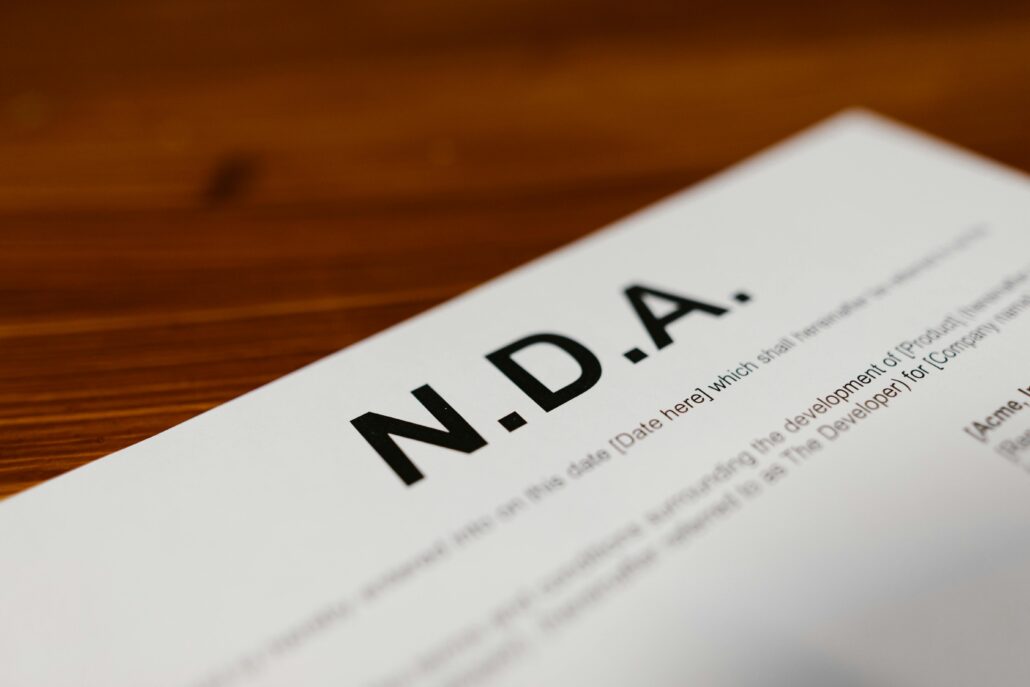
1. Strict Non-Disclosure Agreements (NDAs)
Before any details are shared, potential buyers must sign a legally binding NDA. This protects sensitive information such as financials, employee details, pricing structures, and proprietary processes. However, NDAs are only one part of the strategy.
2. Buyer Screening and Qualification
Not all inquiries are equal. Many individuals browse businesses for sale without serious intent, proper financing, or the right capabilities. Some may even be competitors trying to gather intelligence.
A skilled broker screens potential buyers by verifying:
-
Their financial ability
-
Their identity and business background
-
Their genuine interest
-
Their industry alignment (when applicable)
This eliminates “window shoppers” and ensures only legitimate prospects receive confidential details.
3. Controlled Information Release
Professional brokers release information in stages rather than all at once. The first phase includes general overviews. More sensitive documents—such as tax returns or internal financial reports—are reserved for fully vetted buyers who have demonstrated real intent.
4. Confidential Marketing Channels
Listings are often marketed anonymously so the business is described without revealing its name, location, or identifiable details. Brokers use coded summaries and controlled channels to attract buyers without compromising anonymity.
5. Professional Communication Management
All inquiries are routed through the broker instead of the business owner or staff. This prevents leaks, protects anonymity, and ensures that communication remains strategic and consistent.
Protecting Your Business Value During the Sale
Confidentiality directly impacts valuation. If employees leave, if customers waver, or if competitors spread misinformation, the business’s financial health can be affected within weeks. Buyers can sense instability and may:
-
Lower their offer
-
Change deal terms
-
Delay the closing
-
Walk away entirely
Maintaining confidentiality preserves:
-
Business performance
-
Employee morale
-
Customer trust
-
Operational consistency
-
Negotiation leverage
A smooth, stable business attracts stronger buyers and higher offers.
Confidentiality Is the Foundation of a Successful Sale
Selling a business is a complex, emotional, and strategic undertaking. While pricing, marketing, and negotiations often get the most attention, confidentiality is the safeguard that holds everything together. Without it, even well-prepared businesses risk being destabilized before reaching the closing table.
Working with an experienced business broker provides an essential layer of protection. From NDAs and vetting to strategic communication and controlled information release, a broker’s expertise ensures your business remains secure while you move through the sale process with confidence.